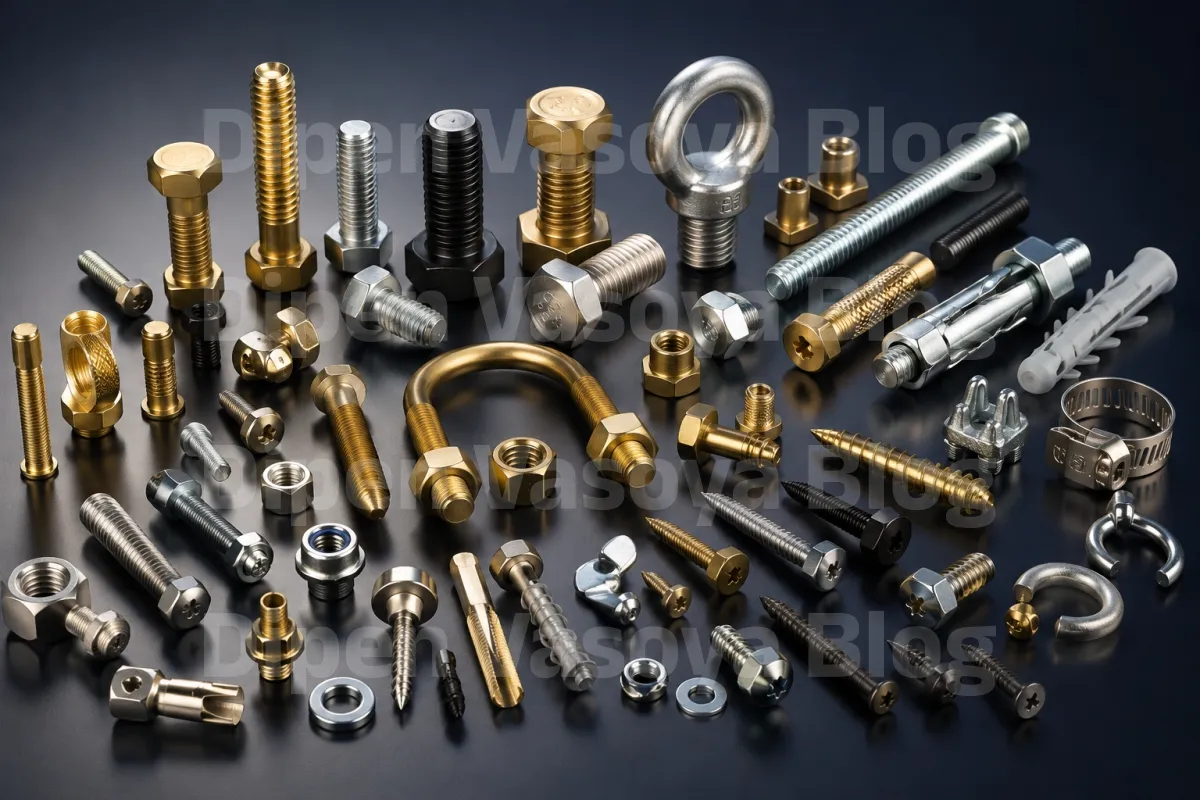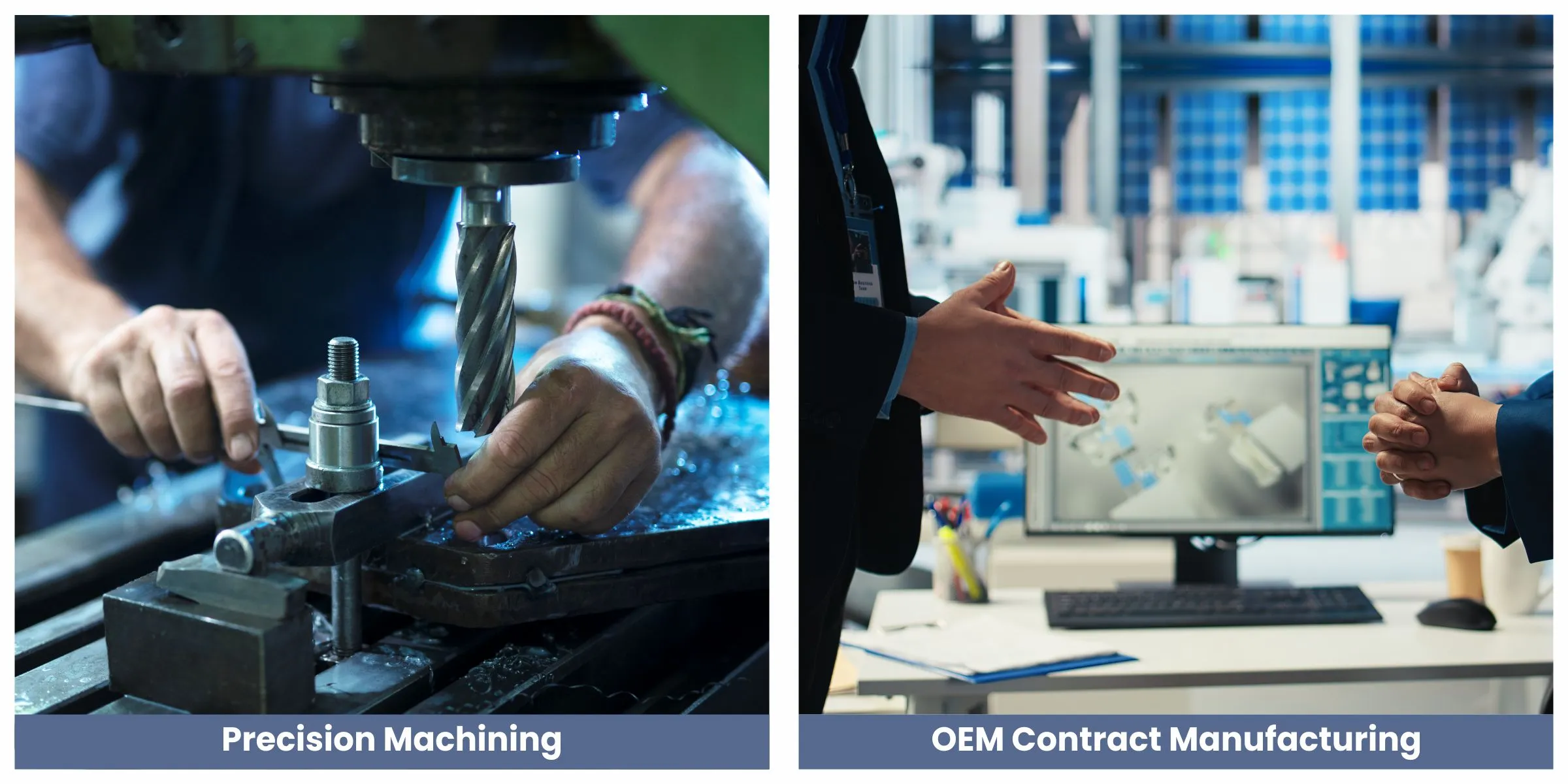
Manufacturing industries continue to evolve as product designs become more sophisticated and quality expectations rise. Precision Machining has become a fundamental process for producing complex components with exceptional accuracy, tight tolerances, and consistent performance. Industries such as automotive, aerospace, electronics, energy, medical devices, and industrial automation rely on precision-machined parts to ensure product reliability, operational efficiency, and long service life. Advanced machining technologies help manufacturers meet demanding engineering specifications while minimizing material waste and improving overall production efficiency.
One of the key advantages of modern CNC Machining is its ability to produce highly accurate parts with repeatable results across small and large production volumes. Computer-controlled machining systems reduce human error, improve process consistency, and enable the efficient manufacturing of intricate geometries that would be difficult to achieve using conventional methods. These capabilities are especially valuable for businesses requiring high-performance Precision Components that must comply with strict industry standards and customer specifications.
As global supply chains become increasingly specialized, OEM Contract Manufacturing has emerged as a practical strategy for companies looking to optimize production without investing heavily in additional manufacturing infrastructure. By partnering with experienced manufacturers, businesses gain access to advanced equipment, skilled engineering teams, and flexible Custom Manufacturing capabilities. This collaborative approach allows OEMs to scale production efficiently while maintaining product quality, shortening lead times, and responding more effectively to changing market demands.
The success of any manufacturing project also depends on robust quality management, material selection, process control, and continuous inspection throughout every production stage. Organizations that invest in Precision Engineering and modern manufacturing technologies are better equipped to deliver reliable Industrial Components that perform consistently in demanding operating environments. These practices not only improve product durability but also contribute to greater customer confidence and long-term operational value.
An example of this industry-focused approach can be seen at Cenvex Precision Metal, where precision manufacturing practices reflect the broader industry's commitment to accuracy, consistency, and dependable production processes. Such examples demonstrate how continuous process improvement, engineering expertise, and quality-focused operations support effective Manufacturing Solutions while strengthening Quality Manufacturing standards for OEMs serving diverse industrial sectors.
FAQs about Precision Manufacturing
What is precision machining?
Precision machining is a manufacturing process that uses advanced CNC machines and specialized tools to produce components with extremely tight tolerances, high accuracy, and consistent quality for industrial applications.
What are the benefits of OEM contract manufacturing?
OEM contract manufacturing helps businesses reduce production costs, access specialized manufacturing expertise, improve scalability, maintain product quality, and shorten time-to-market without investing in additional production facilities.
Which industries rely on precision machining?
Precision machining is widely used in automotive, aerospace, medical, electronics, energy, defense, industrial equipment, and automation industries where high-performance components and tight dimensional accuracy are essential.
Why is quality control important in precision manufacturing?
Quality control ensures every component meets engineering specifications, minimizes defects, improves product reliability, supports regulatory compliance, and maintains consistent performance throughout the manufacturing process.
 Dipen Vasoya